
Micron secures long-term DRAM deals amid shifting AI market sentiment
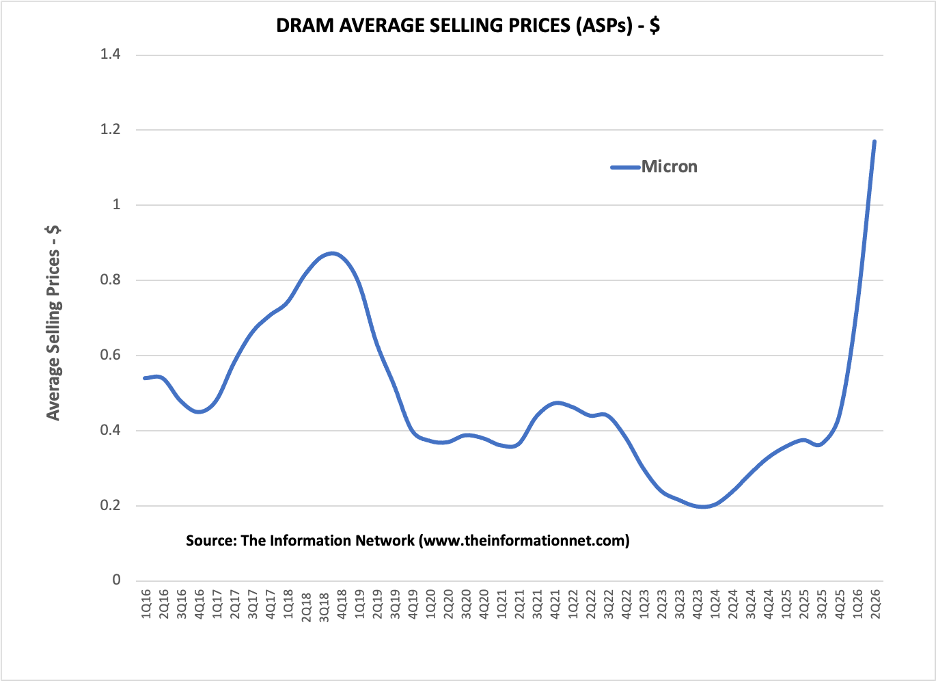
Micron Technology has secured five-year supply agreements at record-high DRAM prices while major AI cloud buyers signal potential price drops.
DRAM pricing volatility and long-term contracts
Micron Technology has formalised several five-year supply agreements, locking in memory components at historically elevated DRAM prices. These long-term contracts provide the semiconductor manufacturer with significant revenue visibility and stability amidst fluctuating market conditions.
The move comes at a time when memory pricing is reaching unprecedented levels, driven largely by the intensive hardware requirements of artificial intelligence infrastructure. By securing these multi-year deals, Micron aims to capitalise on the current supply-demand imbalance in the high-performance memory sector.
Conflicting market outlooks
While Micron is securing high-value long-term commitments, a significant shift in sentiment is appearing among major AI cloud buyers. Market intelligence suggests that large-scale consumers of cloud computing services are preparing for a potential downturn in memory costs.
This divergence in strategy highlights a growing tension between hardware manufacturers and service providers:
- Manufacturers: Focus on locking in high margins through extended supply contracts to mitigate cyclical volatility.
- Cloud Providers: Anticipate a correction in memory pricing, potentially leading to quieter procurement strategies to avoid overpaying for long-term supply.
Industry analysts note that these opposing positions create a high-stakes environment for the semiconductor industry. If the demand for AI-driven hardware remains sustained, the long-term contracts held by Micron may prove highly lucrative. Conversely, if cloud providers correctly anticipate a surplus or a cooling of AI capital expenditure, the industry could face downward pricing pressure.
Impact on Micron stock performance
Despite the secured long-term contracts, Micron shares have recently experienced a retreat. This stock movement reflects broader investor uncertainty regarding the sustainability of current DRAM pricing levels and the ability of the semiconductor sector to maintain its momentum.
The market appears to be weighing the immediate gains from high-priced supply deals against the long-term risk of a price correction. As AI infrastructure deployment continues to evolve, the discrepancy between manufacturer optimism and buyer caution remains a primary driver of market volatility for memory stocks.