
Dermatologist Explains Skin Changes That May Signal Underlying Health Issues
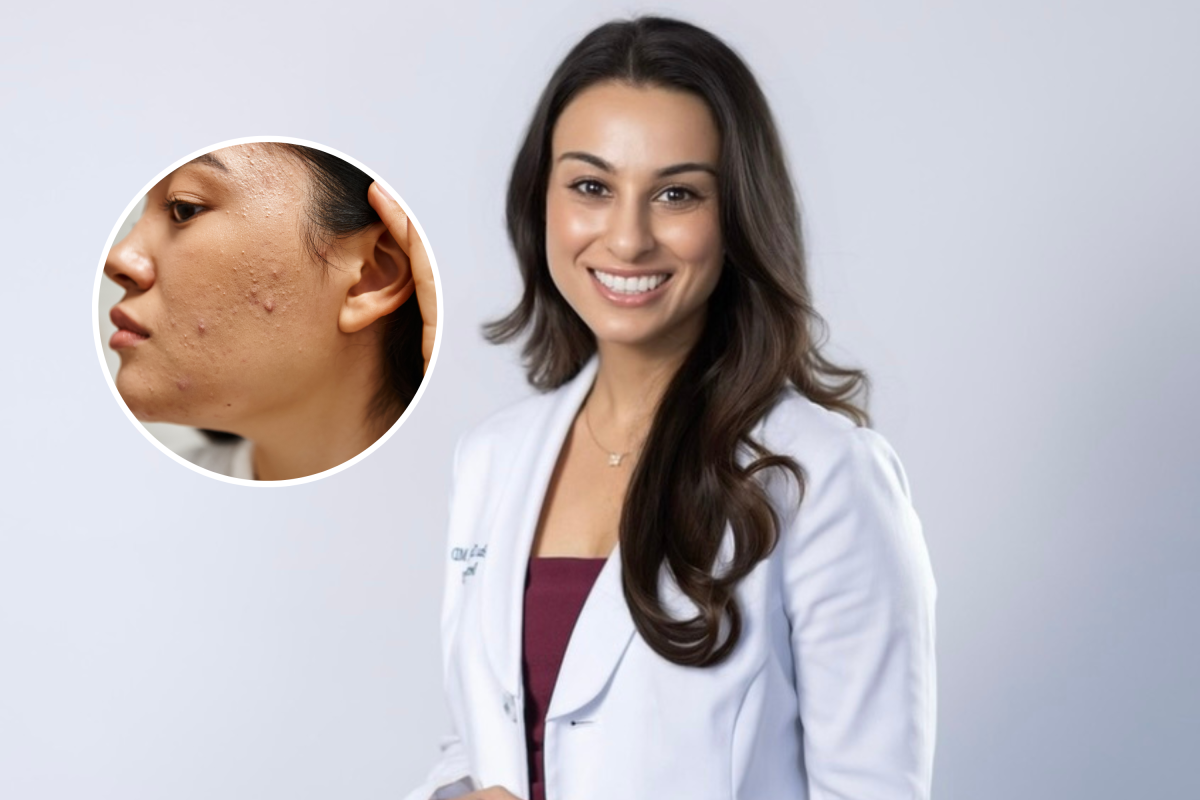
Board-certified dermatologist Neha Chandan identifies specific skin alterations that may serve as early indicators of broader medical concerns.
Identifying Critical Skin Changes
The skin often functions as a visible indicator of internal physiological processes. Dr. Neha Chandan, a board-certified dermatologist, emphasizes that certain physical transformations on the skin surface can signal the presence of underlying health conditions that require medical attention.
Monitoring changes in skin texture, color, and pigmentation is a fundamental aspect of preventative health. While many skin issues are localized and benign, others act as symptoms for systemic issues ranging from hormonal imbalances to autoimmune disorders.
Key Indicators to Monitor
Dermatologists frequently observe several specific types of changes that warrant further investigation by a healthcare professional. These include:
- Sudden Pigmentation Shifts: Rapid changes in skin color or the appearance of new dark spots.
- Texture Alterations: Unusual thickening, scaling, or unexpected dryness that does not respond to standard moisturization.
- Persistent Rashes: Inflammatory responses that recur or spread without a clear external irritant.
- Mole Evolution: Changes in the size, shape, or color of existing moles, often assessed using the ABCDE method.
The Connection Between Skin and Systemic Health
Skin manifestations can be linked to various internal systems. For instance, certain types of acne or sudden oiliness may correlate with hormonal fluctuations, while jaundice—a yellowing of the skin—is a known sign of liver dysfunction.
Autoimmune conditions often present with specific dermatological patterns. When the immune system attacks healthy tissue, the skin may exhibit redness, itching, or distinct lesions that serve as the first visible symptom of the disease.
"The skin is often the first place where internal health issues become visible to the naked eye."
When to Consult a Professional
Medical experts advise that individuals should not attempt to self-diagnose complex skin conditions. If a skin change is accompanied by other symptoms, such as fatigue, pain, or fever, it is essential to seek professional medical advice immediately.
Routine dermatological screenings remain a vital component of comprehensive healthcare. Early detection of both skin cancer and systemic symptoms through regular examinations can significantly improve long-term health outcomes.


